
Cleaning up after dinner can often feel like the least enjoyable part of cooking. However, with a few smart strategies, it’s possible to make dinner cleanup faster and less stressful. Whether you’re cooking for a family or just yourself, these helpful ideas will transform your routine and leave your kitchen sparkling in no time.
Plan Ahead to Minimize Cleanup
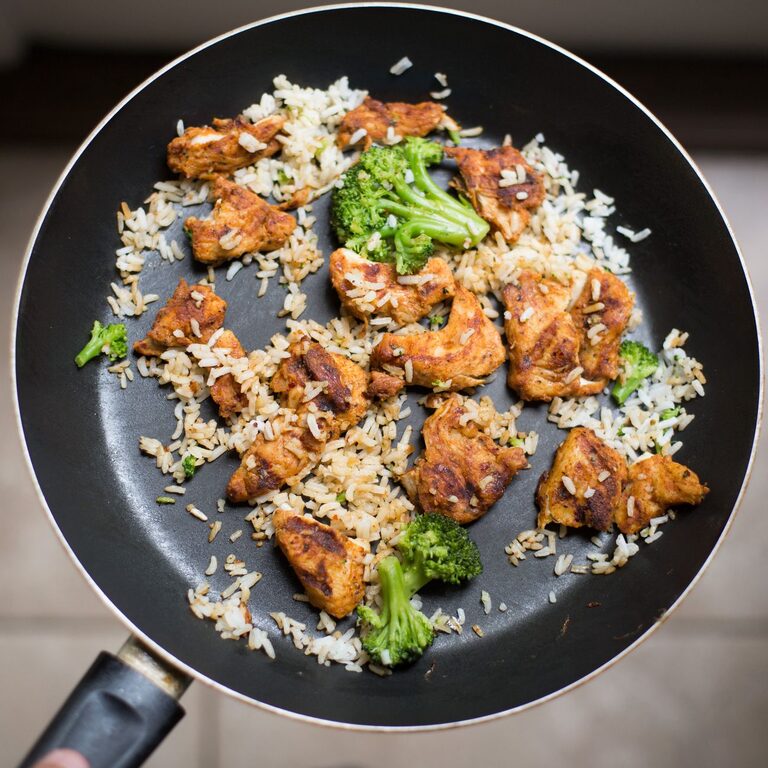
Use One-Pot or One-Pan Meals
One of the easiest ways to reduce dishes is to prepare meals that use just one pot, pan, or baking sheet. Casseroles, sheet-pan dinners, stir-fries, and slow cooker recipes often require fewer utensils and cookware, which means less washing up afterward.
Prep Ingredients in Advance
Chopping vegetables, marinating meat, or measuring spices ahead of time can make cooking smoother. When cooking time is reduced, there’s less chance for spills and messes. Plus, prepping on a cutting board that can easily be cleaned before cooking starts prevents a big pile of dirty dishes later.
Organize Your Workspace Efficiently
Clean As You Go
Instead of waiting until after the meal to tackle all the dishes, try cleaning some items during cooking. Wash cutting boards and knives right after use, rinse pots or bowls between steps, and wipe counters regularly to avoid buildup.
Keep Garbage and Recycling Close
Having a waste bin and recycling container nearby makes it easy to toss scraps immediately, preventing countertop clutter. Use a compost bin if you have one to handle food scraps more efficiently.
Use Helpful Tools and Techniques
Line Pans and Trays
Using parchment paper or aluminum foil on baking sheets can reduce the amount of scrubbing needed afterward. Similarly, silicone mats are reusable and help prevent sticking.
Invest in Dishwasher Accessories
If you use a dishwasher, consider tools that help maximize space and prevent dishes from nesting inside one another. This means more dishes will fit in one load and come out cleaner.
Simplify Your Dishwashing Routine
Soak Pots and Pans Immediately
After cooking, fill pots or pans with hot water and dish soap to soak. This softens stuck-on food and cuts down scrubbing time later.
Wash Similar Items Together
Stack plates, bowls, and utensils in groups to wash them systematically. Washing in a consistent order—from least dirty to dirtiest—saves time and water.
Air Dry or Use a Drying Rack
Instead of towel-drying everything, set dishes on a drying rack to air dry. This method is more hygienic and requires less effort.
Adopt Helpful Habits for Long-Term Cleanliness
Declutter Your Kitchen Regularly
A tidy kitchen with fewer unnecessary items on counters makes cleanup easier. Regularly sort through dishes, gadgets, and food storage containers to keep only what you really use.
Keep Cleaning Supplies Handy
Store sponges, dish soaps, and cleaning sprays close to your sink. Having easy access encourages quick wipe-downs and prevents messes from lingering.
Encourage Everyone to Pitch In
If you share your household, get others involved in the cleanup process. Assigning simple tasks like clearing the table or rinsing dishes helps lighten the load and speeds up cleanup time.
Bonus Tips for Tough Cleanup Days
Use Baking Soda and Vinegar for Stubborn Stains
A paste made from baking soda and water can help remove baked-on food, while vinegar acts as a natural degreaser. Apply, let sit, then scrub gently for better results.
Keep Wipes or Disposable Cloths Nearby
For quick surface cleanups, disposable wipes or cloths can be convenient. They’re especially handy for wiping spills or sticky spots right away.
—
With these practical ideas, dinner cleanup no longer has to be a dreaded chore. By planning ahead, organizing your kitchen space, and using smart cleaning techniques, you can make your post-meal routine much simpler and more efficient. Try implementing some of these tips today and enjoy a cleaner kitchen with less effort!